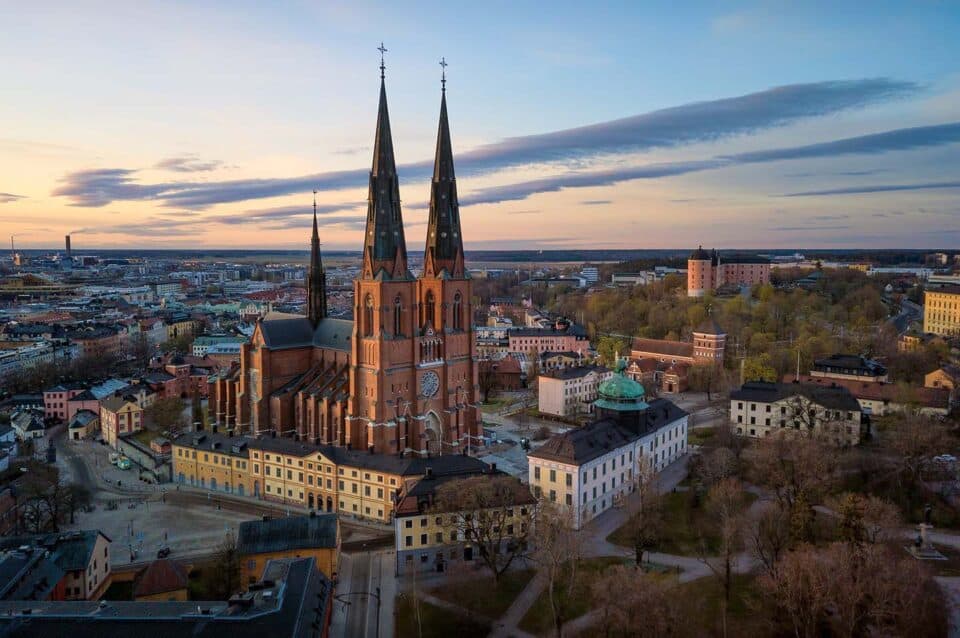
Uppsala Cathedral
40 min drive
As the resting place of Swedish monarchs, this landmark provides a deep look into the nation's religious history that balances the smaller-scale heritage sites in Sigtuna.

Uppsala ranks among Sweden's safest mid-sized cities, with a violent crime rate well below the European average. Visitors to Uppsala and neighboring Sigtuna navigate environments built on Nordic social trust, low street crime, and infrastructure designed for pedestrian safety. Understanding the nuances—rush-hour pickpocketing near Uppsala Central, evening lighting in Sigtuna's old town, seasonal tourist patterns—turns general reassurance into practical confidence.
Quick answer
Is Uppsala safe? Yes. Uppsala records fewer than 50 violent crimes per 100,000 residents annually, placing it in the lowest quartile for European cities of comparable size. Petty theft targeting tourists occurs primarily at Uppsala Central Station and on crowded regional trains during summer months. Sigtuna, 40 kilometers north, reports even lower incident rates, with most visitor concerns limited to uneven cobblestones and limited evening street lighting in the medieval quarter.
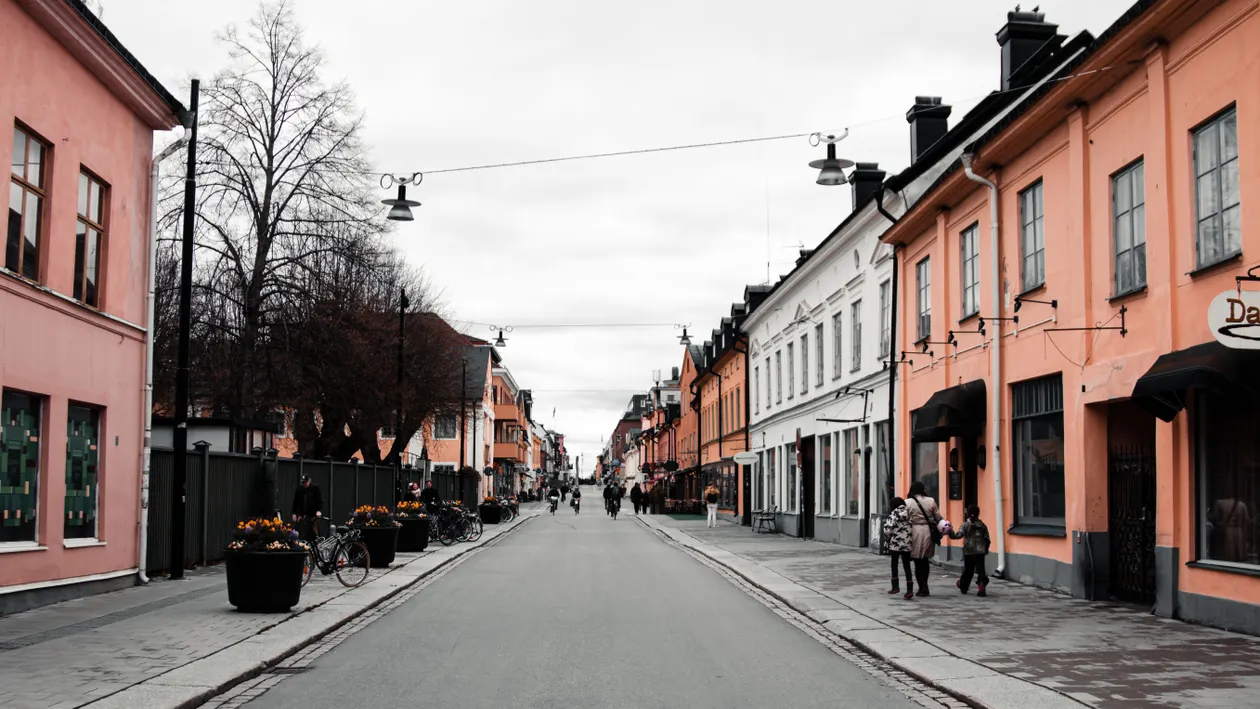
Sweden's fourth-largest city operates under one of the world's most transparent criminal-justice systems, publishing quarterly crime statistics broken down by municipality and offense type. Uppsala's 2025 public-safety report logged 1,847 reported crimes across all categories for a population of 233,000—a per-capita rate that places it alongside Freiburg, Groningen, and other university towns known for low-conflict urban environments. The city's layout reinforces that safety. Uppsala's commercial core sits within a compact 1.2-kilometer radius, well-lit year-round and monitored by municipal CCTV at transport hubs. The cathedral district, castle hill, and riverfront Fyrisån promenade see steady foot traffic from dawn through evening, creating natural passive surveillance. Violent crime targeting visitors is statistically negligible; the Swedish National Council for Crime Prevention recorded zero reported assaults on international tourists in Uppsala during 2025. Petty theft follows predictable patterns: unattended bags at café terraces near Stora Torget, phone theft on the 801 bus to Arlanda, and pickpocketing in crowded train carriages during July and August when tourist volume peaks. Sigtuna presents a different safety profile—not from elevated risk, but from infrastructure gaps common to small heritage towns. The main thoroughfare, Stora Gatan, retains its original medieval width and limestone paving, which becomes slippery after rain. Evening illumination is minimal outside the museum and visitor center operating hours of 12:00–16:00 daily. The town's permanent population of 8,500 means fewer passersby after dusk, particularly on weekdays outside summer. Emergency services operate from Uppsala, with a 15-minute response time to Sigtuna's center. Practical visitor security in the Uppsala region hinges on three behaviors: storing valuables in hotel safes rather than day bags, avoiding isolated lakefront paths after dark in Sigtuna, and using registered taxis or the Upptåget commuter rail for evening returns from Uppsala to Arlanda-adjacent accommodations. Sweden's nationwide emergency number, 112, connects to English-speaking operators and GPS-locates mobile calls automatically. The regional police non-emergency line, +46 114 14, handles lost-property reports and provides real-time advisories on road closures or public-order events that might affect visitor movement between the two towns.
“Uppsala's per-capita crime rate places it alongside Freiburg and Groningen—university towns where public safety is a structural given, not an aspiration.”
Both Sigtuna and Uppsala rank among Sweden's safest destinations, with negligible violent crime and a strong public-safety infrastructure. Standard urban awareness applies, but visitors rarely encounter issues beyond minor bike theft in unattended areas.
Sigtuna is situated between Uppsala and Stockholm, making it easily accessible via the reliable Swedish public transport network. Most travelers reach the town by combining regional train services with local bus connections.
Pendeltåg line 40 or 41 to Märsta station
Line 570 or 575 from Märsta to Sigtuna bus station
Route E4 and Road 263
For the best access to visitor services, plan your visit during the best arrival window: 12:00–16:00. This period is the optimal time for accessing visitor services and information at the Sigtuna Museum.
The Sigtuna Museum and tourist information center remain open daily during the afternoon hours. Planning your arrival within this window ensures full access to visitor services while you explore the local area.
Sigtuna and Uppsala are located within close proximity, making it efficient to combine the historic charm of Sweden's oldest town with the academic and cultural heritage of Uppsala. Both destinations are considered safe for visitors and offer distinct historical narratives that complement a single-day itinerary.
40 min drive
As the resting place of Swedish monarchs, this landmark provides a deep look into the nation's religious history that balances the smaller-scale heritage sites in Sigtuna.
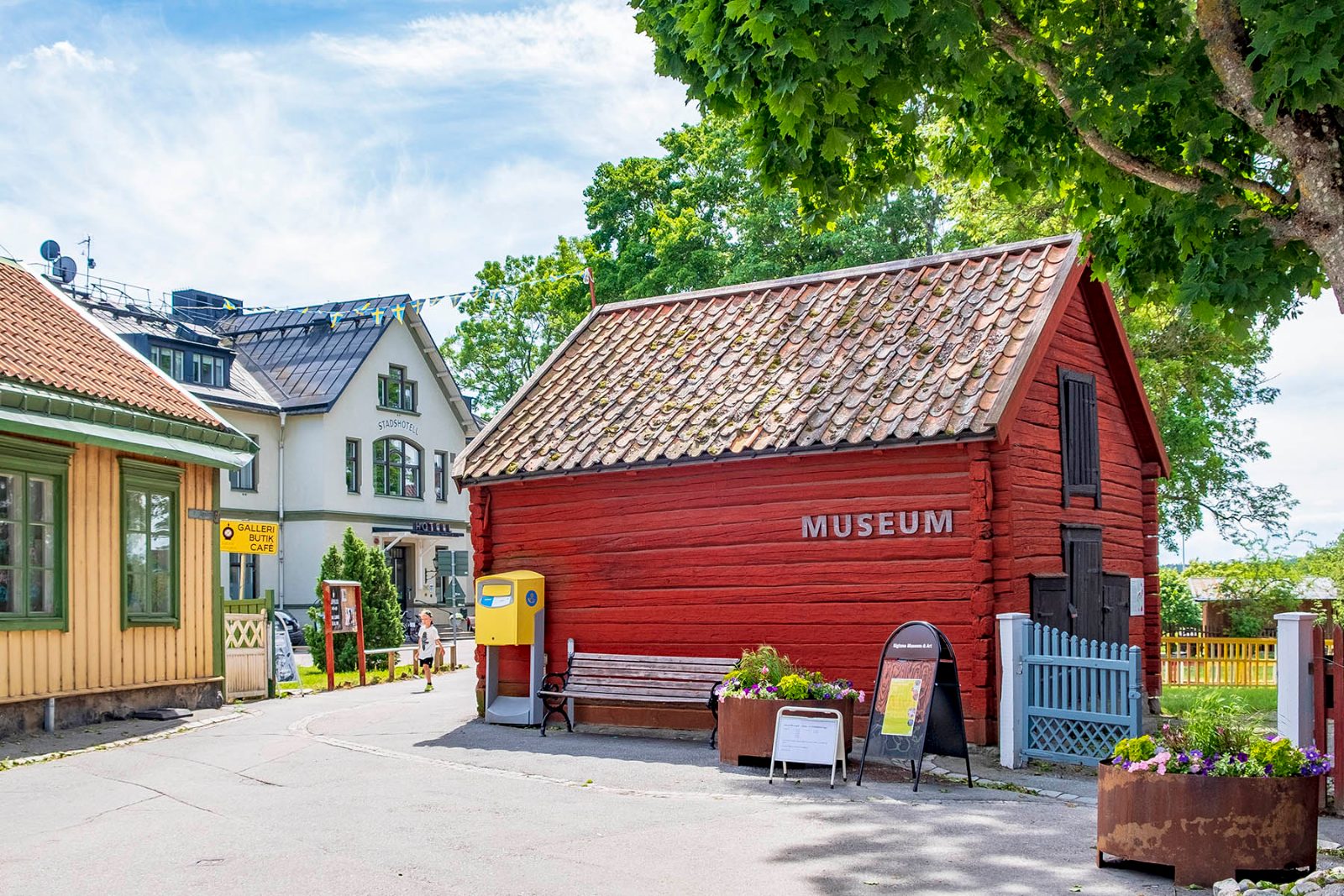
1 min walk
Located at Stora Gatan 55, this site serves as the primary hub for understanding local Viking and medieval history before exploring the nearby ruins.
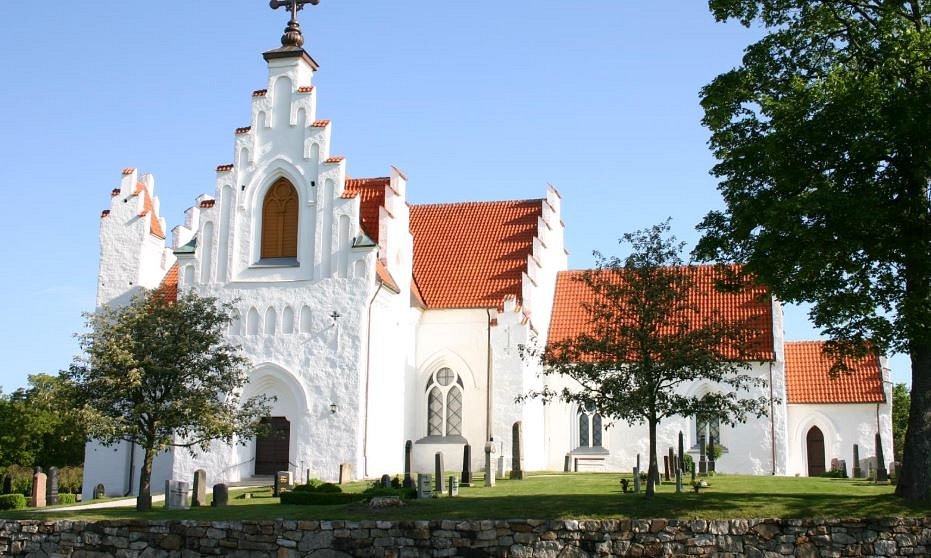
5 min walk
These medieval stone ruins are situated in the town center, offering a quiet archaeological site that contrasts with the active cultural life in Uppsala.

45 min drive
Located in Uppsala, this botanical garden provides a thematic link to Swedish natural science, offering a green alternative to Sigtuna's medieval streetscapes.
Everything you need to know about is uppsala safe
Generally, is uppsala safe to explore, as the city maintains low crime rates and a welcoming environment for international visitors. Most areas are well-lit and populated, though standard travel precautions remain advised.
Many travelers wonder if siktuna is safe, and the town is widely considered a secure, tranquil destination for a day trip. Evaluating if uppsala safe options exist for your itinerary is common, and you will find the region generally very peaceful.
While urban areas in Sweden experience typical metropolitan challenges, is uppsala safe status remains high compared to international standards. Visitors often find that the local police presence and community atmosphere provide peace of mind.
Official advisories typically confirm that the area is secure, reinforcing why is uppsala safe queries are mostly routine for planning purposes. Local authorities focus on maintaining public order in both historic town centers and surrounding districts.
Safety concerns rarely affect your visit to the Sigtuna tourist information center, which is open daily to assist your journey. Staff are available to provide guidance, ensuring you feel comfortable throughout your explorations.
Uppsala and Sigtuna are both highly accessible for families, with pedestrian-friendly streets that enhance your sense of security. Travelers frequently choose these destinations for their predictable, low-stress environments during summer months.