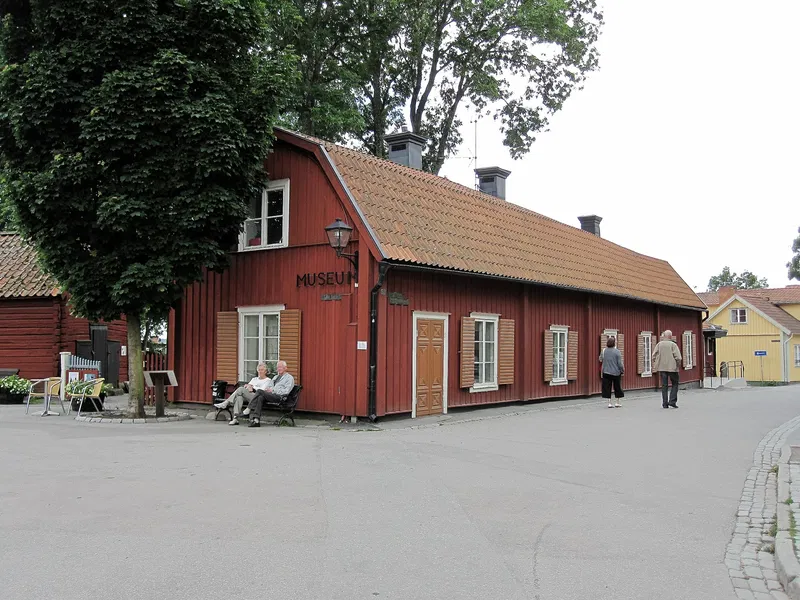
Sigtuna Museum
Stora Gatan 55
Located in the heart of Sigtuna, this facility provides necessary context on the town's Viking Age origins before you head toward Uppsala.

Uppsala sits 40 kilometers from Sigtuna along Sweden's historic corridor, home to the country's oldest university and its largest cathedral. The question of whether Uppsala merits a detour depends on what you're looking for in a Swedish day trip. This guide lays out the practical case for including Uppsala in your itinerary, from travel logistics to what you'll actually encounter on the ground.
Quick answer
Uppsala is worth visiting if you want a deeper historical narrative than Sigtuna alone provides. The city holds Sweden's oldest university, founded in 1477, and Uppsala Cathedral, Scandinavia's tallest church at 118.7 meters. A day trip from Sigtuna takes 30-40 minutes by car or regional train, making it easy to combine both towns. The university district, Gustavianum museum, and cathedral quarter offer a full half-day of exploration, and the city's student atmosphere provides a sharp contrast to Sigtuna's quieter medieval streets.
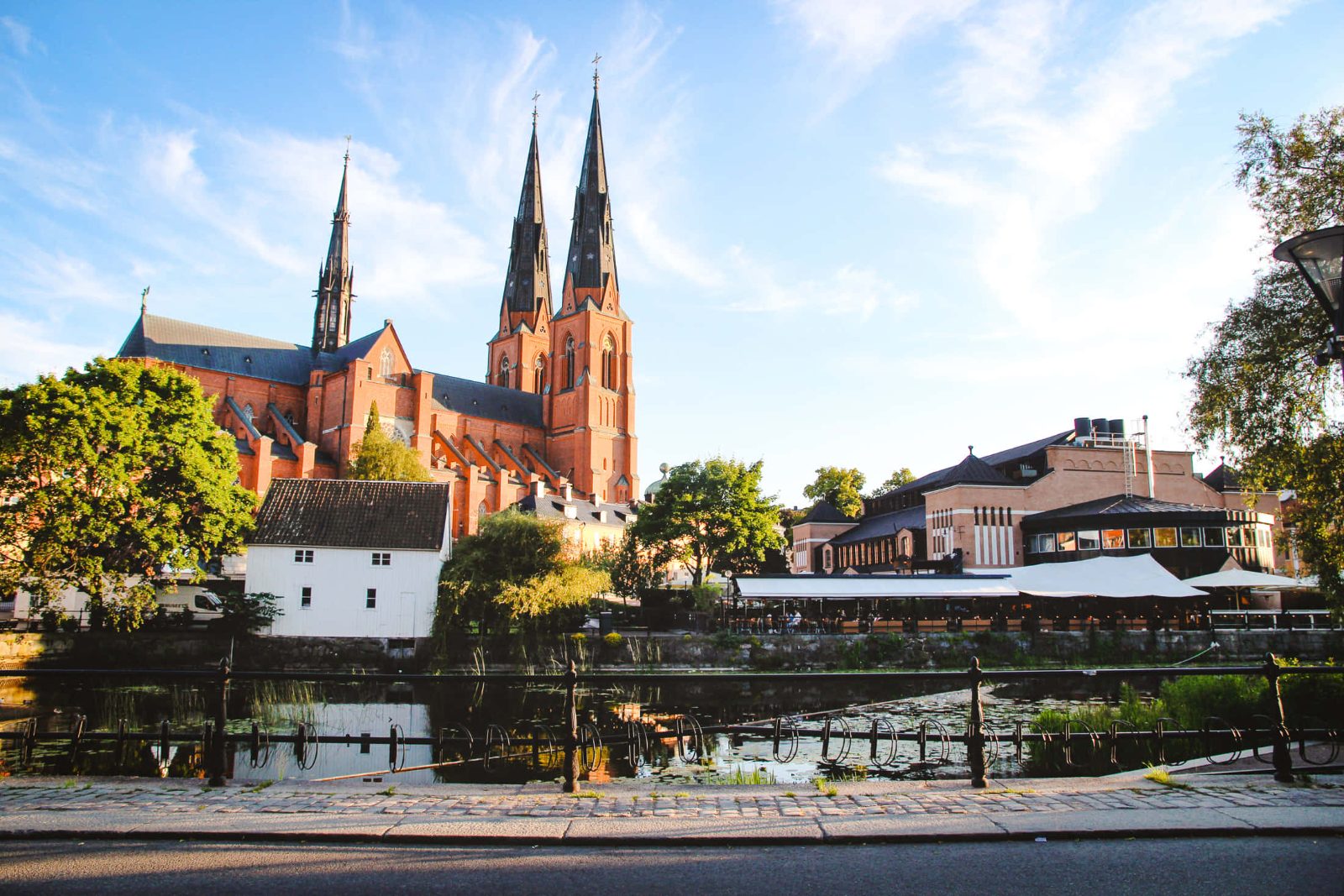
Uppsala Cathedral rises above the Fyris River valley with a silhouette visible from the highway long before you reach the city center. Construction began in 1287 and took 175 years to complete, leaving behind a Gothic structure that has anchored Swedish history ever since. Three medieval kings are buried beneath its stone floor, and the relics of Saint Erik, Sweden's patron saint, rest in a silver shrine near the high altar. The question is uppsala worth visiting often hinges on whether travelers want an academic and ecclesiastical counterpoint to Sigtuna's merchant-town origins. Where Sigtuna preserves the scale of a Viking-age settlement, Uppsala unfolds as a university city with 50,000 students and a infrastructure built around learning. The Gustavianum museum occupies the university's oldest building, completed in 1625, and houses an anatomical theatre where public dissections were performed in the 17th century. Carolina Rediviva, the university library, holds the Silver Bible, a 6th-century Gothic manuscript written in silver and gold ink on purple vellum. Both sites sit within a ten-minute walk of the cathedral, forming a compact historical core that supports a half-day visit. Timing matters when planning a Sigtuna and Uppsala excursion. Sigtuna Museum closes at 16:00, so visitors typically explore Sigtuna in the morning, then drive or take the regional train to Uppsala for the afternoon. The cathedral remains open until 18:00 on most days, and the university quarter stays accessible into the evening. Parking near Domkyrkan costs 20-30 SEK per hour, and the walk from Uppsala Central Station to the cathedral takes twelve minutes on foot. The combination allows you to cover two distinct chapters of Swedish history in a single day without doubling back or sacrificing depth. Uppsala rewards visitors interested in Sweden's intellectual and religious foundations rather than picturesque medieval streets. The city lacks Sigtuna's lakefront setting and rune stones, but it offers a narrative scale that a smaller town cannot match. Whether Uppsala is worth visiting guide resources emphasize ecclesiastical architecture or university heritage, the verdict remains consistent: if you're already in Sigtuna and have a full day, the 30-minute detour adds historical weight to your understanding of how Sweden developed from Viking settlement to European power.
“Uppsala Cathedral took 175 years to complete, and three medieval kings lie beneath its stone floor.”
Choosing between Sigtuna and Uppsala depends on whether you prefer an intimate, medieval town atmosphere or the broader academic and cultural scale of a major Swedish city. Both offer significant historical context, though they serve different travel priorities.
| Sigtuna Uppsala | Town Size Small scale | |
|---|---|---|
| Atmosphere | Quiet, pedestrian-friendly village | Bustling urban and academic center |
| Primary Historical Focus | Runestones and early Swedish urban origins | University history and cathedral architecture |
| Typical Visit Duration | 2–4 hours | 6–8 hours |
| Scale of Sightseeing | Compact town center | Expansive city districts |
Verdict: Select Sigtuna for a relaxed, focused historical walk, or prioritize Uppsala if you wish to explore a larger city with extensive academic and ecclesiastical sites.
The optimal window for visiting Sigtuna and Uppsala is from May through September, when mild temperatures and longer daylight hours facilitate outdoor exploration. For daily visits, follow the best arrival window: 10:00–15:00 — Arrive early to explore the town and museum before it closes at 16:00 to avoid afternoon crowds.
Pleasant, 10°C to 18°C
Flowers bloom and daylight lasts long into the evening.
Warm, 15°C to 22°C
This period hosts most local cultural festivals and outdoor events.
Cool, 8°C to 15°C
Visitor numbers decline, offering a quieter experience of historical sites.
—
Arriving early provides the most space to navigate sites before afternoon arrivals.
Verdict: Visit between Tuesday and Thursday during May or September, arriving at 10:00 to minimize exposure to peak weekend and summer crowds.
Sigtuna Museum is open daily to provide visitors with information about the town's history. Please consult the schedule below to plan your visit accordingly.
Entrance fees in Sigtuna are straightforward, focusing on access to the local museum. These costs help maintain the preservation of the town's historical collections.
Verdict: A typical adult pays 60 SEK for entry, though the fee is waived for visitors 20 years old and younger.
Sigtuna and Uppsala are situated less than an hour apart, allowing visitors to connect Sweden's oldest town with the historical and academic heritage of its university city. Combining these locations provides a balanced itinerary that covers early medieval roots alongside centuries of religious and scholarly development.
Stora Gatan 55
Located in the heart of Sigtuna, this facility provides necessary context on the town's Viking Age origins before you head toward Uppsala.
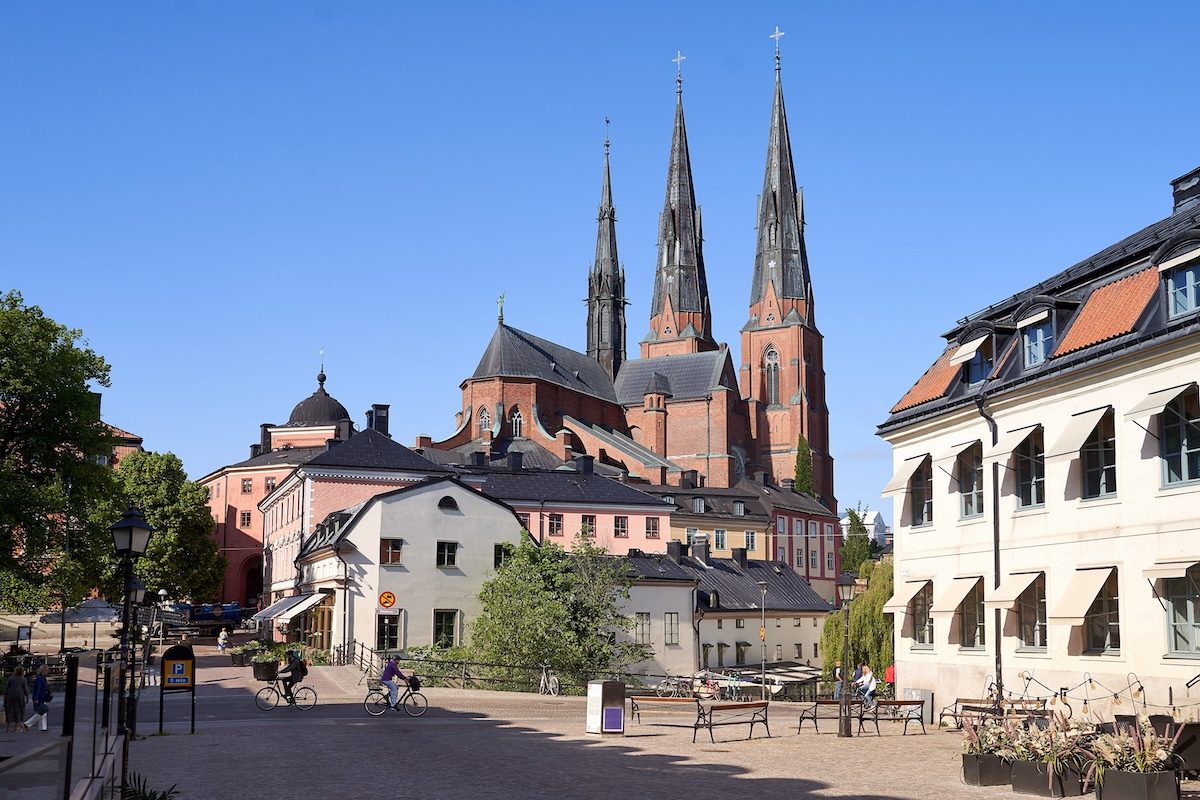
40-50 min drive
As the final destination on this cultural route, the cathedral serves as a architectural contrast to the small-scale wooden structures found in Sigtuna.
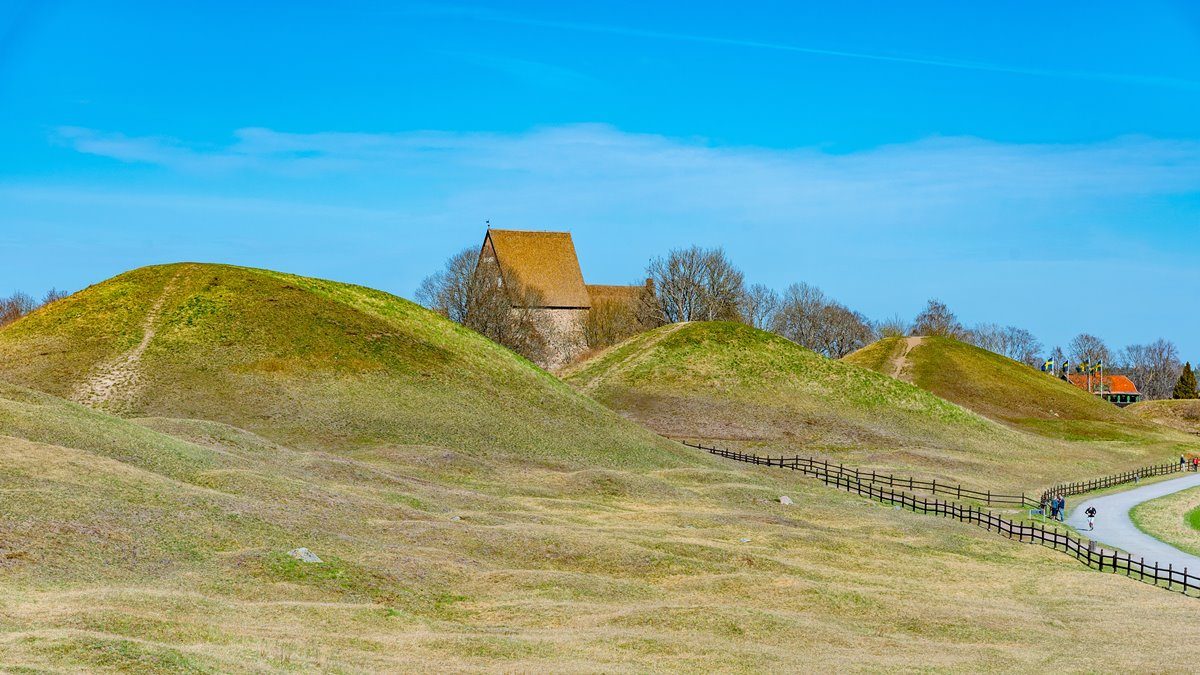
35-40 min drive
Situated just north of Uppsala, these royal burial mounds complement the history explored in Sigtuna by detailing Sweden's pre-Christian power centers.
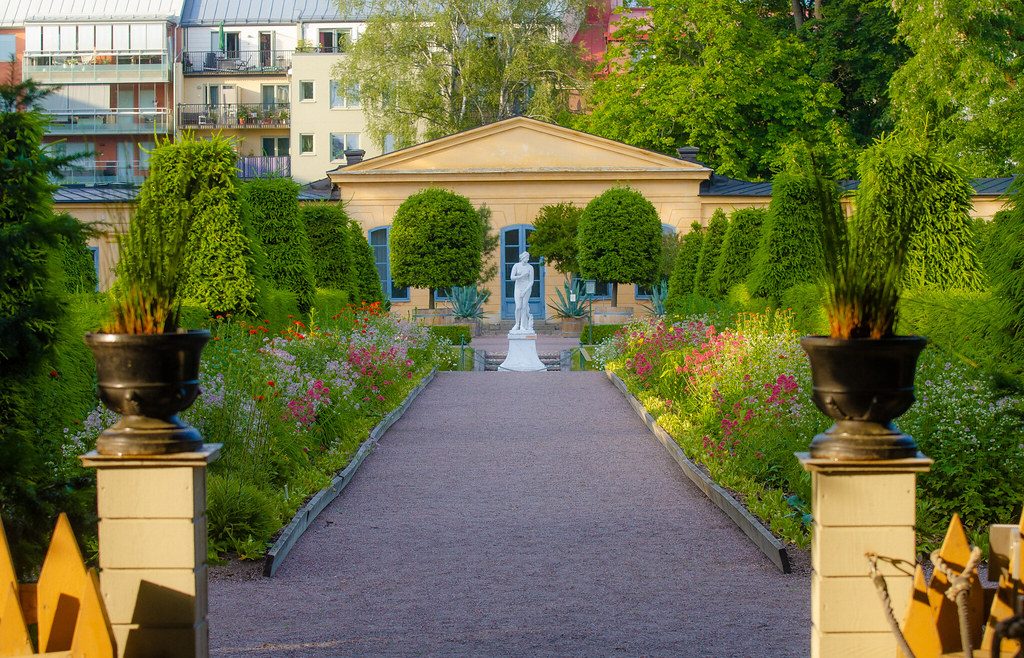
45 min drive
This historical botanical garden in central Uppsala offers a quiet, educational contrast to the ancient ruins and town streets of Sigtuna.
Everything you need to know about is uppsala worth visiting
Travelers often ask is Uppsala worth visiting as a secondary stop after experiencing the Viking-age heritage of Sigtuna. Combining these destinations allows for a broader perspective on Swedish history, making it a common itinerary choice.
The Sigtuna Museum, located at Stora Gatan 55, provides essential context regarding the region's founding and archaeological significance. Visitors often find that deeper historical knowledge makes the broader question of is Uppsala worth visiting easier to answer affirmatively.
Many history enthusiasts agree that is Uppsala worth visiting, especially to see the ancient cathedral and university library. These sites provide a sophisticated contrast to the intimate, runestone-rich atmosphere found in Sigtuna.
To decide if Uppsala is worth visiting for your schedule, focus on the ease of transit between the two locations. Most visitors find that checking regional train connections clarifies whether they have enough time to appreciate both cities fully.
Yes, the Sigtuna Museum offers free admission for those 20 years old and below. For others, the entrance fee is 60 SEK, providing an affordable way to learn about the area before traveling further.
A common mistake is trying to rush between towns without considering the opening hours of local institutions. By planning your arrival between 10:00 and 15:00, you ensure a relaxed experience that helps you conclude if Uppsala is worth visiting on your own terms.